Use product only as directed

Pollen Count

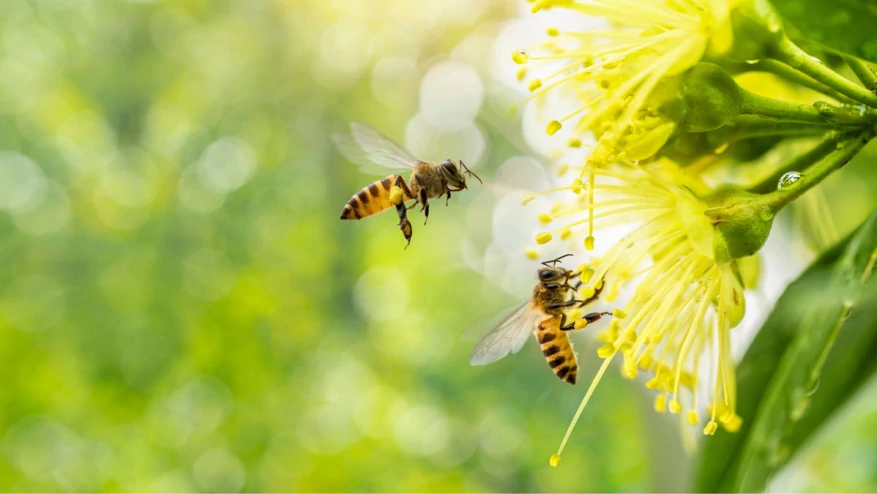
Pollen count is a measure of the average number of pollen grains per cubic meter2. It’s usually recorded during the day, so pollen count forecasts are likely to reflect daytime figures too.
Pollen grains are often measured using the rotorod technique. This uses greased silicone rods to collect particles from the air, often over 24 hours.3 Some devices are capable of measuring pollen counts over a period of several days4.
Pollen counts of 50 or less are considered low, while 1,000 or more is very high5. These measures can differ slightly according to pollen type.
If you suffer from seasonal allergies, sometimes referred to as hay fever, pollen count can make a big difference to how severe they are.
View our guide to pollen by season to better understand how the passing months may impact your symptoms.
The amount of pollen in the air varies from day to day, as well as throughout the day. Planning your outdoor activities for times when the pollen count usually drops may help minimize hay fever symptoms.
Pollen counts usually rise in the morning, and reach their peak by midday or early afternoon. This is the time of day that allergies are often the worst, since there is a high concentration of pollen in the air.
The release of pollen also depends on the species of plant or tree – so if you’re allergic to a certain type of pollen, you may notice symptoms peak at different times.
If the worst time of day for your allergies changes, you might want to speak to your doctor in case a different type of pollen or another allergen is the source.
On an average day, pollen counts rise during the morning, peak about midday, and then gradually fall. So the lowest pollen counts are usually before dawn and in the late afternoon to early evening. But this is all relative – if the pollen count is very high, a moderate decrease later in the day may still leave a high concentration of pollen in the air.
Pollen levels are lower overall at nights, but in certain conditions the effects of pollen can feel more intense – when this is the case, your sleep might be affected6. Cooler night-time conditions can also cause pollen to descend to ground or second-story level7.
Knowing the most likely times for a low pollen count ensures you can better plan your days during hay fever season.

Season
Weather
Temperature
Time of Day
Pollen counts tend to be highest when conditions are dry and windy, so you may find the pattern of your symptoms changes on days like this1.
Weather and environmental factors also heavily influence the pollen count throughout the day. Wind stirs up pollen into the air, keeping counts high, while rain lowers airborne pollen any time of day – affecting allergies. In urban areas, pollen counts tend to rise and fall later than they do in the suburbs.
So timing your run or hike to coincide with a sun shower could help to keep the worst of your symptoms at bay – though you might get a little wet.
View our seasonal allergies and weather interactive for a quick look at how to stay protected.
When pollen counts are high, you might try these methods to mitigate and manage your allergy symptoms.

Predicting pollen conditions could help you to better plan for them – whether that’s by taking a antihistamine or skipping that mid-afternoon cycle ride.
The ZYRTEC® AllergyCast App* provides an allergy forecast with insights that go beyond pollen count – it’s designed to give you a ‘real-feel’ local allergy forecast. Simply input your zip code and track your symptoms to receive personalized insights.
When a certain type of pollen is set to soar in your region, you’ll also get allergy care tips.
* Available for iPhone™and Android™. Standard data rates apply.
Midday can be an uncomfortable time for those with a pollen allergy, so you might find it best to stay indoors and keep windows closed.
If your pollen allergy is linked to asthma, you might choose to forgo outdoor exercise in early afternoon when counts are high. Allergens in the air can sometimes aggravate asthma, so you might prefer to wait until conditions cool or hit the gym instead8.
Keeping windows closed, even on warm nights, may help to keep your home comfortable when pollen counts are high.
If your allergy is severe, you might decide to say goodbye to houseplants – some types can emit heaps of pollen.
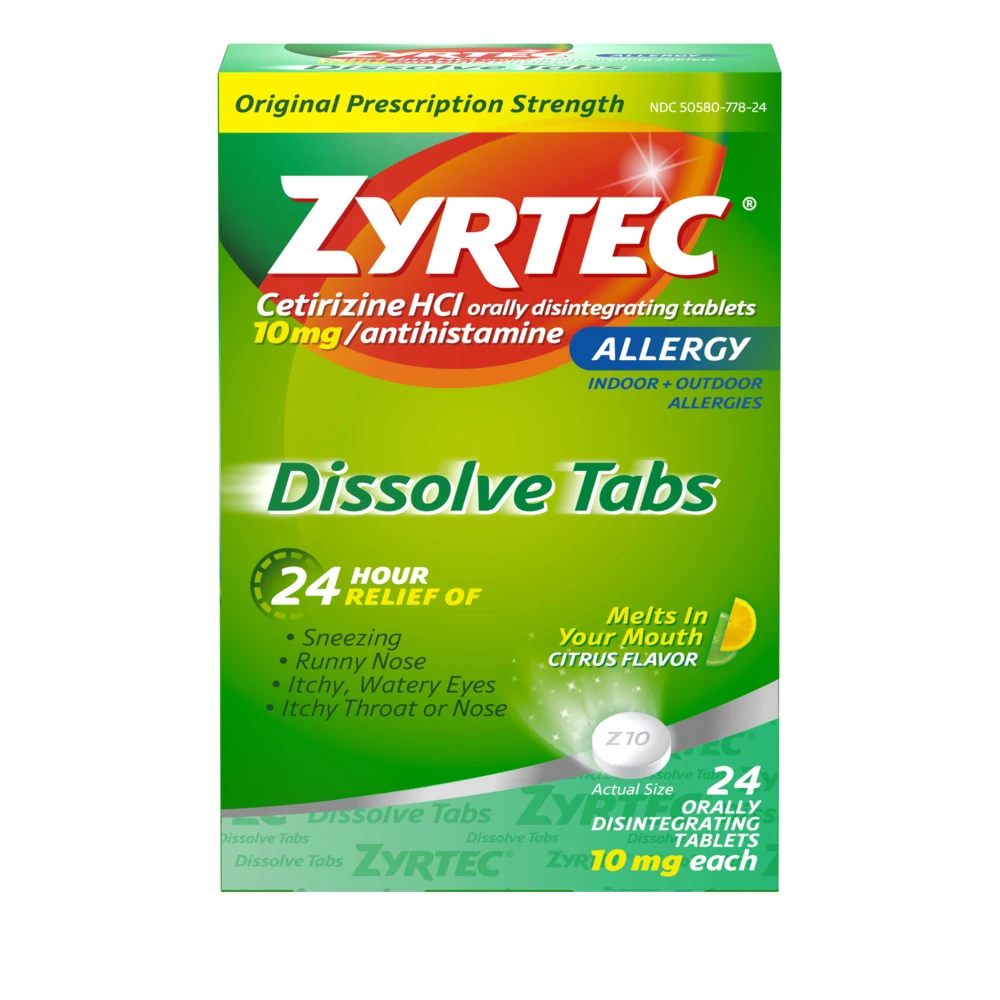
Taking antihistamine medication is a common way to control seasonal allergies, sometimes referred to as hay fever. These target histamine – a substance that causes the runny nose, sneezing, watery eyes and itching of the nose or throat associated with allergies9.
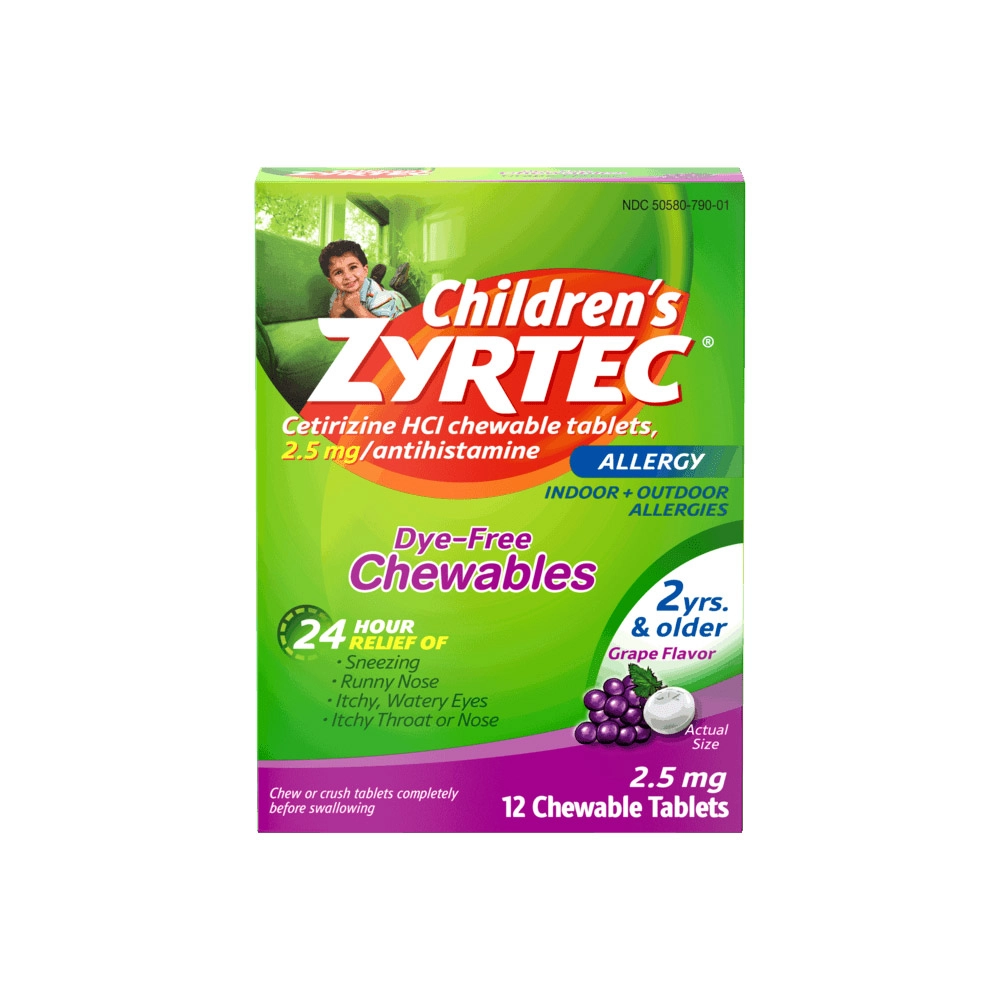
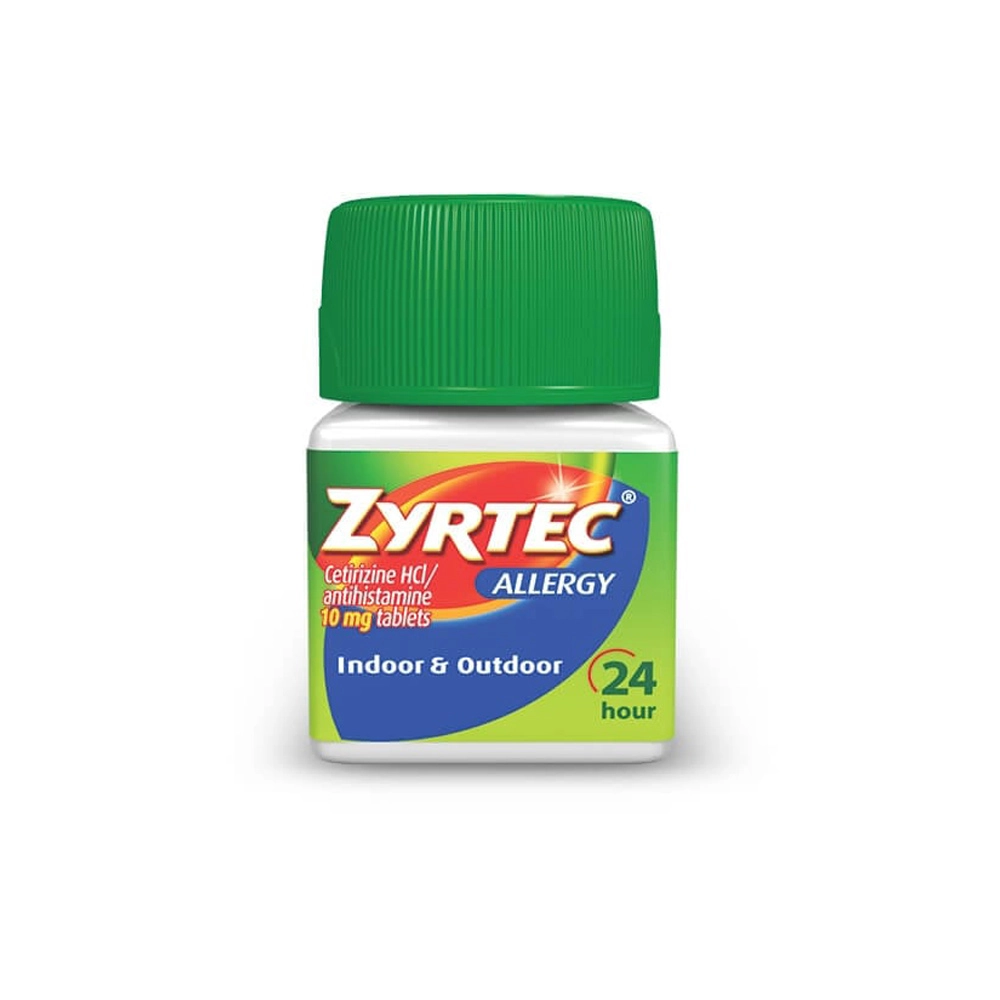
You might try ZYRTEC® for powerful allergy relief – and get savings at Zyrtec.com.
If your allergies are stubborn, you may decide to speak to your doctor about testing and treatment options.
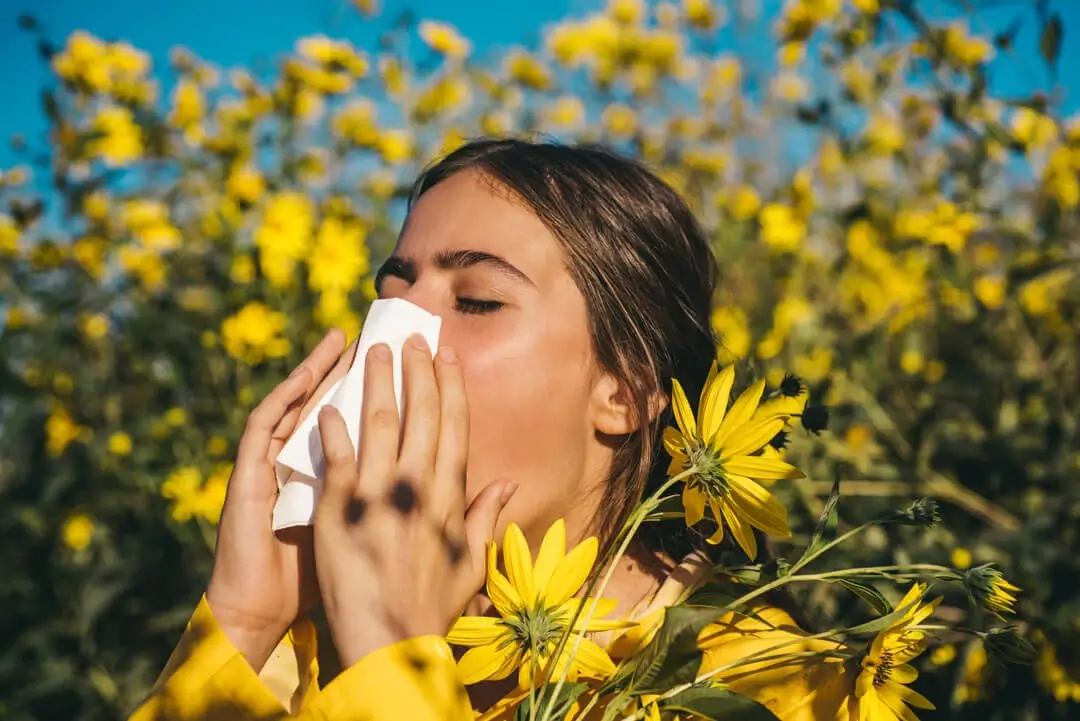
Symptoms can soar when pollen counts rise. Common symptoms of pollen allergies – include:
Our allergy symptoms hub has more information on the symptoms associated with different types of allergies – including hay fever – and how you might manage them.
For hay fever sufferers, some years seem worse than others. This may be due to weather changes impacting the pattern of pollen release, or alterations to your day-to-day habits. For instance, you might spend more time outdoors or invest in houseplants. Exposure to tobacco smoke, air pollution and humidity might aggravate your hay fever symptoms.7
According to the Asthma and Allergy Foundation of America, the US city with the most challenging pollen counts and conditions is Scranton, Pennsylvania9. Pittsburgh, Pennsylvania, also makes an appearance in the top 10 – and three cities in Connecticut make the grade. Durham, North Carolina, had the most hay fever-friendly conditions in 2021.
1 of
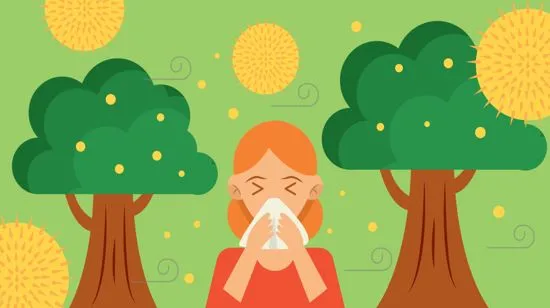
Learn more about pollen, how it may be causing your allergies, and discover ways to manage and treat pollen allergy symptoms.
Discover the different types of grass pollen allergy and how grass pollen may affect you, as well as how to manage and relieve your symptoms with Zyrtec.

Enter your ZIP code and find out how much pollen is in your area.
Your Personalized Pollen Prediction
We're here to help! Let us know how you're feeling by answering a few questions and we will give you a personalized pollen prediction.